





- Digital Strategy, digital marketing, Lead Generation
Recent articles


our mailing list
The SMBs Guide to AI: Conquer 2026 With These Cutting-Edge Tools
Artificial Intelligence has officially moved from “game-changer” to business backbone. As we step into 2026, AI for business is no longer a competitive advantage; it’s the minimum standard for companies that want to grow, operate lean, and stay visible in a world dominated by AI search, agentic workflows, and automated decision-making.
For SMBs, the landscape has never been more exciting. The latest wave of must-have AI tools for business can automate entire processes, sharpen customer insights, generate content on demand, and give founders real-time strategic clarity. Whether you’re exploring AI for small businesses, building an AI for business strategy, or simply hunting for the best AI tools for small businesses in 2025 that still hold strong in 2026, you’re stepping into a moment where AI can genuinely reshape how you work.
This guide cuts through the noise and shows you exactly how AI for business is transforming operations, marketing, and decision-making and how these tools can empower you to run a smarter, faster, more profitable business. By the end, you’ll understand how AI can help small businesses, which AI tools for business actually drive ROI, and how to use AI to market your business with confidence.

Why AI for Business Is Now Non-Negotiable in 2026
Understanding AI for business in 2026 starts with one reality: AI is no longer a tool that “supports” your business, it actively runs parts of it. Modern AI systems don’t just analyse patterns or automate admin; they handle end-to-end workflows, make recommendations, execute tasks, and surface insights you’d normally need a full team to uncover.
For SMBs, the shift is massive. The newest AI tools for business combine automation, intelligence, and real-time decision support, giving smaller companies the kind of capability that only enterprise players had five years ago. This is where AI for small businesses becomes genuinely transformative: AI can draft your content, qualify leads, personalise marketing, predict demand, optimise pricing, and even guide your daily operations.
The real benefits of AI in business today go far beyond cost-cutting:
- Cost Efficiency: AI eliminates repetitive manual work and introduces automation that scales without adding salaries.
- Enhanced Productivity: Teams spend less time on routine tasks and more time on revenue-driving activity, powered by AI automations.
- Data-Driven Insights: AI can interpret complex data, identify customer patterns, and improve business decision-making with far greater accuracy.
- Improved Customer Experience: AI-powered personalisation, support bots, and automated recommendations boost engagement and satisfaction.
- Scalability: Whether you’re running a two-person startup or a 50-person team, AI grows with you, making it a core part of any successful ai for business strategy.
In short, AI is no longer an optional efficiency hack. It’s the engine behind how businesses stay competitive, make better decisions, and unlock new ai business opportunities 2025 and beyond.
Choosing AI Tools That Actually Work for SMBs in 2026
Choosing the right ai tools for business in 2026 isn’t about chasing hype it’s about picking systems that genuinely move the needle for your revenue, operations, and growth. With thousands of platforms now promising automation, insights, and magic buttons, SMBs need a clear framework to separate useful tools from useless noise.
Here’s what actually matters when building your AI for business strategy:
- Budget & ROI: Small businesses operate lean, so every tool must justify its cost. The best AI for small business tools deliver measurable efficiency, reduce manual workload, or directly support revenue growth. If the ROI isn’t clear, skip it.
- Ease of Use: If your team can’t use it without a two-week onboarding, it’s the wrong tool. Modern AI should be intuitive, fast to adopt, and require minimal training.
- Integration: Your AI must plug into your existing systems CRM, email, POS, CMS, project tools without breaking workflows. Misaligned systems cause more problems than they solve.
- Data Security: You’re trusting these tools with sensitive business and customer information. Strong encryption, compliance, and transparent data policies are non-negotiable.
- Regulatory Compliance: Ensure the tool complies with relevant industry regulations and data protection laws, such as GDPR in the European Union.
- Accuracy and Reliability: AI that makes guesses is dangerous. Look for platforms with proven accuracy, transparent outputs, and consistent performance. Accuracy is especially important for finance, marketing, forecasting, and customer-facing applications.
- Scalability: You’re selecting tools for where your business is going not just where it is today. The best ai business opportunities 2025 evolved into even more scalable, flexible tools in 2026.
- Support & Updates: AI tools update fast. If a platform isn’t improving monthly, it’s falling behind. Good support means faster adoption, fewer headaches, and better long-term outcomes.
Top AI Tools for SMBs in 2026
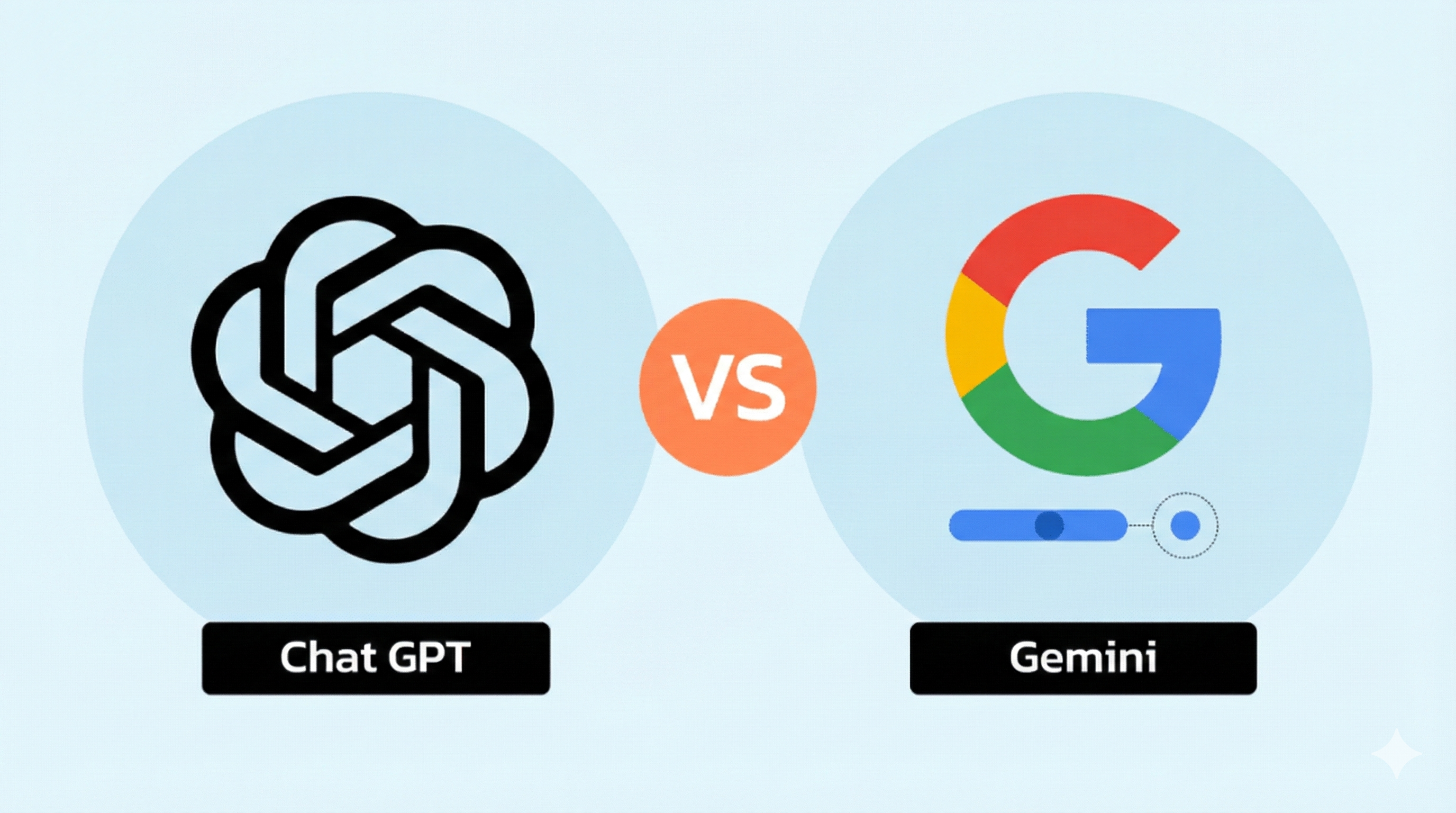
Since OpenAI’s release of ChatGT, there have been a seemingly never ending number of new AI tools and chatbots that range from helping you write copy and reports, to helping you stay on track of your fitness goals and mental health. There’s basically an AI for everything these days, that’s why we’ve created this list of all the best ones for you.
We’ll begin with an overview of the top AI platforms that can help you with a range of activities. Then, we’ll dive into a list of AI tools tailored to meet your specific needs, whether it’s for copywriting, report generation, productivity, and more. For even moree tools, check out our AI library.
Best Overall AI Tools for SMBs
1. ChatGPT (OpenAI)
Pricing: Free version available. Paid version from ~AUD $30/month.
Core Features:
Handles content creation, customer replies, analysis, and full automation, making it one of the essential must-have AI tools for business.
DALL·E – creates images for ads, product visuals, and social media assets.
Sora – generates short videos for product demos, explainers, and ads.
GPT Search – provides faster, more accurate research for strategy than traditional search engines.
ChatGPT remains the most widely used AI for small businesses in 2026 due to major improvements in accuracy, reasoning, and workflow automation. Recent developments include the launch of Sora for video creation, upgraded multimodal capabilities (voice, images, documents, and screen uploads), and GPT Search becoming a go-to source for real-time business insights. These upgrades make it a powerful tool for SMBs needing fast content, smarter decisions, and automated daily operations, all critical for a modern AI for business strategy.
2. Gemini 3 (Google)
Pricing: Free tier available. Paid version with enhanced features varies by region.
Core Features:
Delivers highly accurate real-time insights backed by Google’s search data, ideal for AI for small business research and SEO work.
Google AI Studio – lets SMBs build simple internal AI tools or automations without coding.
NotebookLM – converts documents, SOPs, and files into an AI knowledge hub for team training & onboarding.
Pomelli – generates content, ads, and creative ideas using Google’s newest generative models.
Gemini 3 has become Google’s strongest AI model to date, giving SMBs a major upgrade in real-time accuracy, reasoning, and marketing intelligence. With improved access to live Google Search data, businesses now get faster insights on trends, competitors, and keywords, a massive shift from the older Bard era. Gemini 3 also powers tools like AI Studio and Pomelli, which help small businesses automate tasks and create content at scale. For SMBs focused on growth, digital visibility, and smarter decisions, Gemini 3 is now one of the must have AI tools for business within any modern AI for business strategy.
Best Fit: Businesses relying on SEO, Google Analytics, content marketing, or anyone operating inside the Google Workspace ecosystem.
3. Perplexity
Pricing: Free version available. Pro plans from ~AUD $30/month.
Core Features:
Pulls real-time, verified information perfect for fast research in AI for small business environments.
Pro Search – Deep dives with source links for market, industry, and competitor analysis.
Collections – Let’s SMBs save, organise, and track research over time.
Focus Mode – Filters results into categories like research, academic, news, and finance.
Perplexity has become the go-to research engine for SMBs in 2026. With Google declining in early-stage research and GPT Search rising, Perplexity sits in the sweet spot for fast, accurate, source-backed answers. Recent updates include improved citation accuracy, live web crawling, and deeper analysis features built for decision-making. For SMBs needing a smarter strategy, quicker validation, or reliable market insights, Perplexity is one of the must have AI tools for business, especially when building a data-backed AI for business strategy.
Best Fit: Founders need quick, trusted insights for strategy, pricing, market research, and competitive analysis.
4. Claude 3 (Anthropic)
Pricing: Free version available. Claude Pro starts around AUD $25–$30/month.
Core Features:
Exceptional accuracy for long documents, legal text, HR content, policy writing, and detailed reasoning.
Claude Projects – Stores ongoing work, brand rules, or documents for consistent outputs.
Contextual Memory – Remembers business details to maintain tone, accuracy, and style.
The Tools API allows Claude to run structured tasks for SMBs (summaries, risk checks, document comparisons).
Claude 3 is the safest and most reliable model for businesses needing accuracy over creativity. Recent improvements include massive context windows that allow entire proposals, contracts, manuals, or SOPs to be processed in a single request. It also introduced better reasoning, fewer hallucinations, and enterprise-grade safety essential for SMBs handling sensitive content. If your business relies on documentation, clarity, or compliance-heavy tasks, Claude belongs in your AI for business strategy and stands out as one of the must have AI tools for business.
Best Fit: Legal, HR, consulting, finance, or any SMB needing error-free, structured content and long-form accuracy.
Pricing: Free basic version available. Paid plans vary based on the Microsoft 365 subscription.
Core Features:
Seamlessly integrates with Outlook, Excel, Word, and Teams, ideal for everyday AI for small business workflows.
Copilot Studio – Allows SMBs to build simple internal bots for FAQs, HR queries, onboarding, or support.
Microsoft Graph – Pulls insights from emails, docs, calendars, and Teams activity.
Power Automate Integration – Creates automated workflows for admin tasks and reporting.
Copilot is the most natural AI choice for businesses already inside Microsoft 365. In 2026, Copilot became far more powerful, summarising calls, writing emails, analysing spreadsheets, generating documents, and automating internal processes. Updates to Graph integration now let SMBs surface patterns from their own data, making it easier to make faster, smarter decisions. For businesses overloaded with admin, reporting, or internal communication, Copilot is one of the must have AI tools for business and a cornerstone in any efficient AI for business strategy.
Best Fit: SMBs heavily use Microsoft 365 for operations, admin, communication, and internal collaboration.
Best AI Tools for Marketing (2026)
1. WriteSonic
Pricing: Free trial; paid plans start at ~$13/month for small teams; enterprise from $500+
Core Features:
Generates ads, blogs, landing pages, and product descriptions in seconds.
AI SEO Writer 6.0 – creates long-form content aligned with Google’s 2025–2026 search updates.
Instant Brand Voice – trains on your website + socials in minutes.
Sonic Editor – new 2026 update improves rewriting accuracy for social posts and emails.
WriteSonic has shifted from a basic writing tool to a full marketing assistant in 2026. The new SEO Writer now adapts to AI-driven search behaviour, optimisation for Gemini Search and GPT Search, and long-tail queries that SMBs actually rank for. With improved brand voice modelling and faster generation, WriteSonic is a practical AI tool for small businesses, ideal for teams that need fast content without an in-house copywriter.
Best Fit: SMBs require consistent ad copy, blog posts, product descriptions, and SEO content on a large scale.
2. Copy.ai
Pricing: Free version available; Pro starts at $36/month; advanced plans up to $3,000/month.
Core Features:
Creates social media posts, email sequences, and product content effortlessly.
Workflow Automation (2026 update) – generate entire content calendars + email follow-up systems in one click.
Audience Matching – adapts tone to specific demographics (huge for SMBs).
Brand Library – stores multiple voices for different products/clients.
Copy.ai has evolved into a workflow-driven marketing engine. In 2026, SMBs can now automate complete content sequences, weekly newsletters, monthly social calendars, and launch campaigns all on autopilot. It’s one of the must have AI tools for business for founders who want marketing running in the background while they handle operations. For any modern AI for business strategy, Copy.ai remains a solid pillar.
Best Fit: Founders, creators, and e-commerce teams need automated social + email content systems.
3. Jasper.ai
Pricing: Annual plans: ~$39/month (Creator), ~$59/month (Pro). Business plans are custom.
Core Features:
Creates ads, blogs, scripts, emails, and brand-led marketing assets.
Jasper Brand Voice+ (2026) – deeper style learning + tone control.
Campaign Builder – generates multi-platform campaigns from one brief.
Collab Mode – lets teams review + edit AI output together (new).
Jasper is now a full campaign generator, not just a writing tool. The new Brand Voice+ helps SMBs create consistent marketing across channels, and the 2026 Campaign Builder pushes Jasper ahead of most competitors. It creates entire funnels, ads, landing pages, emails, and scripts in one go. For SMBs focused on growth, revenue, and consistent branding, Jasper sits at the core of a strong AI for business strategy.
Best Fit: SMBs, agencies, and marketing teams need high-quality, brand-consistent campaigns with minimal manual effort.
Integrating AI into Your SMB
Choosing the right AI tool is only half the job; the real impact comes from how well you integrate it into your workflows, team habits, and day-to-day operations. In 2026, SMBs that win with AI aren’t the ones buying fancy tools… they’re the ones embedding AI into the way the business actually works.
- Strategic Fit:
Make sure every AI tool supports your big-picture goals. AI should strengthen revenue, productivity, marketing efficiency, or customer experience, not become a random add-on. - Understanding AI:
Know what AI can realistically achieve for an SMB: automation, decision support, insights, content creation, and workflow efficiency. It’s powerful, but it isn’t magic. - AI + Human Power:
Use AI to amplify your team, not replace them. In 2026, the highest-performing SMBs pair human judgment with AI automation to move faster and make better decisions. - Spotting Opportunities:
Identify where AI can actually help: customer replies, marketing content, reporting, admin, SOP creation, campaign planning, competitor insights, or inventory forecasting. Small changes create big wins. - Data Savvy:
AI only works as well as the data you give it. Clean customer records, clear SOPs, updated files, and organised documentation make every tool smarter. - Right Tools + Talent:
Have the basics ready: cloud storage, updated systems, strong security, clear processes, and at least one team member who can manage AI workflows.
Embracing AI isn’t just about technology; it’s about people too. It’s vital to educate and train your team to work alongside AI, addressing any AI-related concerns head-on. Start small with your AI projects, learn from them, and then scale up. This approach not only makes the journey smoother but also embeds a culture of continuous learning and innovation. Here’s the gist:
- Culture is Key: Build a culture that’s excited about AI and innovation.
- Learning and Development: Invest in training your team to be AI-savvy.
- Demystifying AI: Clear up any myths about AI stealing jobs.
- Start Small, Think Big: Begin with manageable AI projects and expand as you learn.
- Never Stop Learning: Foster a mindset of ongoing adaptation and learning.
Future AI Trends and Predictions for SMBs
As we move deeper into 2026, AI is evolving at a pace that’s reshaping how small and medium-sized businesses operate. The shift isn’t just about faster models it’s about agentic systems, autonomous workflows, and AI-driven search redefining how SMBs compete, market, and deliver value. These are the trends SMBs need to prepare for:
- Agentic AI Workflows Become Standard:
AI won’t just generate content it will take action. Tools like GPT Agents, Copilot Studio, and Google AI Studio will automatically update CRMs, send emails, generate reports, schedule tasks, and run processes end-to-end. SMBs that integrate agentic automation will see major efficiency gains. - Multimodal AI Becomes the New Normal:
AI now works across text, voice, images, spreadsheets, documents, and video all in a single workflow. Tools like ChatGPT, Gemini 3, and Claude let SMBs upload files, briefs, screenshots, and data in any format and get instant, accurate outputs. - AI Search Overtakes Traditional Search:
With the rise of GPT Search, Perplexity, and Gemini, SMBs will rely less on Google Search. Market research, keyword insights, competitor analysis, and strategic intelligence will come directly from AI assistants, not search engines. - Hyper-Personalisation Levels Up:
AI will deliver personalised marketing at scale from dynamic email sequences to personalised landing pages, ads, and product recommendations. SMBs will unlock enterprise-level personalisation without enterprise budgets. - Industry-Specific AI Tools Surge:
New AI tools tailored to SMB sectors retail, health, finance, hospitality, fitness, education will explode. These tools will offer niche insights, automation, and data-driven decision-making aligned to each industry’s unique needs. - Ethical AI & Regulation Tightens:
Governments will enforce new standards around data use, transparency, and safety. SMBs will need to ensure their tools comply with privacy laws and maintain responsible AI usage. This won’t be optional it will be operationally critical. - Autonomous Content Creation Expands:
AI models like Sora, DALL·E 4, Gemini Flash, and video agents will let SMBs produce video ads, reels, explainers, and product content instantly. High-quality creative becomes “push button. - AI Becomes a Core Part of SMB Strategy:AI won’t be a “tool” it’ll be built into:
- planning
- forecasting
- pricing
- marketing
- hiring
- customer service
- operations
- reporting
SMBs that adopt AI early will outpace competitors on speed, cost, and customer experience.
Challenges and Considerations
As SMBs step deeper into AI adoption, the opportunities are massive but so are the challenges. AI in 2026 is powerful, fast-moving, and deeply embedded into daily operations. To use it responsibly and effectively, businesses must understand not just the benefits, but the risks and considerations that come with scaling AI.
- Data Privacy & Security:
AI tools rely heavily on customer, sales, and behavioural data. SMBs must ensure they use secure platforms, comply with privacy laws (GDPR, CCPA, Australia’s Privacy Act updates), and avoid feeding sensitive information into unsecured models. - Bias & Fairness:
Even the best models can amplify bias. This impacts hiring, customer service, pricing, credit decisions, and content personalisation. SMBs must actively check outputs and put human review in place. - Regulatory Compliance:
AI regulation is evolving fast. The EU AI Act, U.S. safety frameworks, and new Australian AI guidelines all introduce new compliance responsibilities. SMBs must keep up with emerging laws to avoid risk. - Ethical Considerations:
AI affects employment, privacy, autonomy, and public trust. Businesses must decide where AI is helpful and where human oversight is non-negotiable. - Integration Challenges:
AI only works when integrated into real workflows. Many SMBs struggle with outdated systems, unclear processes, poor documentation, or workflow fragmentation that slows adoption. - Skill Gaps & Training:
Most SMB teams aren’t yet AI-native. Training is required to teach staff how to prompt, review outputs, automate tasks, and maintain AI-supported workflows. This is now a core operational skill. - Reliability & Trust:
Models still hallucinate. Agentic AI can take wrong actions if instructions aren’t clear. SMBs must set boundaries, review outputs, and create escalation points to maintain accuracy and trust. - Costs & ROI Pressure:
Adopting AI introduces software costs, training costs, workflow disruption, and time investment. SMBs must pick high-impact use cases first to justify ROI early. - Scalability:
As SMBs grow, AI must scale with them, handling more data, more workflows, and more complexity. Not all AI tools grow smoothly; choosing flexible platforms matters. - Customer Perception & Brand Impact:
Customers want speed but also humanity. Over-automation can hurt trust if brands lose the human touch. The best SMBs balance AI efficiency with genuine customer connection.
Final Thoughts
The AI future for SMBs isn’t coming it’s already here. What matters now isn’t how many tools you adopt, but how well you align AI with your strategy, team, and operations. The businesses that win in 2026 are the ones treating AI as a capability, not a shortcut integrating it into decision-making, customer experience, marketing, and everyday workflows.
With the right tools and careful implementation, AI becomes a growth engine: sharper insights, faster execution, smarter marketing, and more efficient operations. But success still depends on human judgment, creativity, and leadership. AI doesn’t replace that it amplifies it.
As you plan your next steps, remember this: AI’s impact isn’t defined by the technology itself, but by how boldly and responsibly your business chooses to use it. The SMBs that embrace experimentation, training, and continuous learning will move faster, stand out more, and compete at a level once reserved for large enterprises.
If you’re ready to strengthen your lead generation, sharpen your digital strategy, and build an AI-powered marketing engine, our team at SDM can help you get there with clarity, structure, and results.
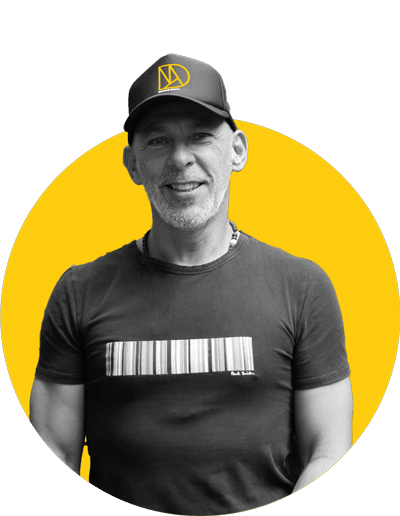
Article by
Simon Gould
CEO / Founder / Dad
Founder and leader, Simon established SDM back in 2012. Since then, he has helped 150 clients (and counting) to achieve their digital goals.[…]