





- LinkedIn Ads, AI for LinkedIn, B2B LinkedIn Strategy, LinkedIn B2B Marketing, AI B2B Marketing
Recent articles


our mailing list
AI-Driven B2B Demand: LinkedIn & Beyond
The Australian B2B landscape has reached a point of no return. In 2026, the “spray and pray” era of AI LinkedIn Advertising isn’t just inefficient; it’s invisible. We have entered the age of Predictive Demand, where Marketing Managers are no longer just competing for human clicks; they are competing for computational relevance.
As AI agents increasingly serve as gatekeepers of professional information, your LinkedIn strategy must evolve from broad-based outreach to high-precision orchestration. If your current Ads aren’t generating pipeline, it’s rarely a budget issue; it’s an optimisation gap. In a market where top-performing B2B teams have integrated AI into their targeting and creative workflows, staying manual is no longer a choice; it’s a liability.
To win today, you must move from being a content distributor to a data architect, using AI to bridge the gap between initial intent and a closed-won deal.
Key Findings: The 2026 B2B Benchmark
Based on current shifts, these four pillars define the successful B2B engine:
- The “Zero-Click” Reality: The buyer journey has moved behind the curtain. Discovery now happens within AI-driven summaries and “Answer Engines,” where prospects form vendor shortlists long before they ever land on your website.
- Predictive Signals over Static Personas: The era of targeting broad “Job Titles” is over. Success now relies on identifying the Dynamic Buying Window using real-time signals like technographic shifts, hiring surges, or leadership changes to find the 5% of the market ready to buy now.
- Machine-Readable Authority: Winning brands don’t just create content for humans; they build a digital footprint that is machine-readable. If AI agents can’t crawl and trust your data, you won’t be cited as a solution when the buyer asks their LLM for a recommendation.
- The Premium on Human Expertise: As AI-generated “noise” floods the feed, the market is placing a massive premium on credible, human-led perspectives. Your digital authority is now your most valuable currency in an automated world.
What is AI for LinkedIn?
In the modern B2B landscape, AI for LinkedIn serves as the engine that converts massive amounts of professional data into actionable intelligence. It is far more than just a tool for drafting posts; it represents a sophisticated system of precision that begins with a generative layer to automate highly personalised Ad copy and connection “icebreakers” based on a prospect’s real-time activity.
Beyond simple content creation, this technology introduces a predictive layer that identifies “revenue-ready” accounts by analysing subtle signals such as leadership changes or hiring surges long before a lead ever fills out a form.
Ultimately, it acts as a precision management layer that dynamically shifts your budget toward the highest-quality opportunities, ensuring your spend is always aligned with actual purchase intent rather than just vanity metrics.
The Best B2B LinkedIn Strategy for the AI Era
To win in 2026, your strategy must move beyond simple lead generation and toward intelligent alignment. The modern B2B LinkedIn Strategy is no longer about finding people who might be interested; it is about using AI to identify the 5% of your market that is actively in a buying window right now.
This requires three strategic shifts:
- From Personas to Signals: Moving away from static job titles to real-time triggers like technographic changes or department growth.
- From Content to Authority: Ensuring your strategy feeds “Answer Engines” so your brand is the first recommendation an AI agent makes to a human buyer.
- From Clicks to Opportunities: Focusing the engine on cost-per-opportunity rather than vanity metrics like CTR or CPL.
The Future of AI LinkedIn B2B Marketing
The reality of LinkedIn B2B Marketing today is that your brand is often being judged in rooms you aren’t even in. It is no longer enough to simply “be present” on the feed; you must be present with purpose.
Modern marketing isn’t about shouting into the void; it’s about using data to meet the buyer where they are, even when they haven’t yet clicked on your website. If your content isn’t feeding the AI agents that buyers now use to shortlist vendors, you are essentially invisible.
The "So What?" Filter: Why This Matters for Your 2026 Bottom Line
The cost of generic outreach has never been higher, and the patience of the Australian B2B buyer has never been lower. Applying the “So What?” filter to AI for LinkedIn reveals three critical operational advantages:
- Shortening the Sales Cycle: By using predictive signals, you find buyers before they even download your first whitepaper, allowing you to influence the deal criteria from day one.
- Maximising Ad Spend: AI allows for the automatic exclusion of accounts that don’t fit your ideal customer profile (ICP) based on real-time data like hiring surges or tech-stack changes, ensuring not a single dollar of your budget is wasted on “noise.”
- Elevating Lead Quality: You stop passing “leads” (a mere email address) and start passing “opportunities” (a pre-qualified business problem with mapped stakeholder intent).
In 2026, the traditional B2B marketing funnel hasn’t just been upgraded; it has been replaced by a dynamic, non-linear network of decisions. For any Australian Marketing Manager looking to command a premium in their market, the first step is moving away from the “broadcast” mindset and toward Signal-Based Creative.
How AI Influences the B2B Buying Journey?
The modern B2B buyer journey is now largely invisible to traditional tracking. Research confirms that by the time a prospect interacts with your website or a LinkedIn Ad, they are often 70% to 80% through their decision-making process. They are no longer starting with a Google search; they are starting with an AI prompt.
The Shift from Search to "Answer Engines"
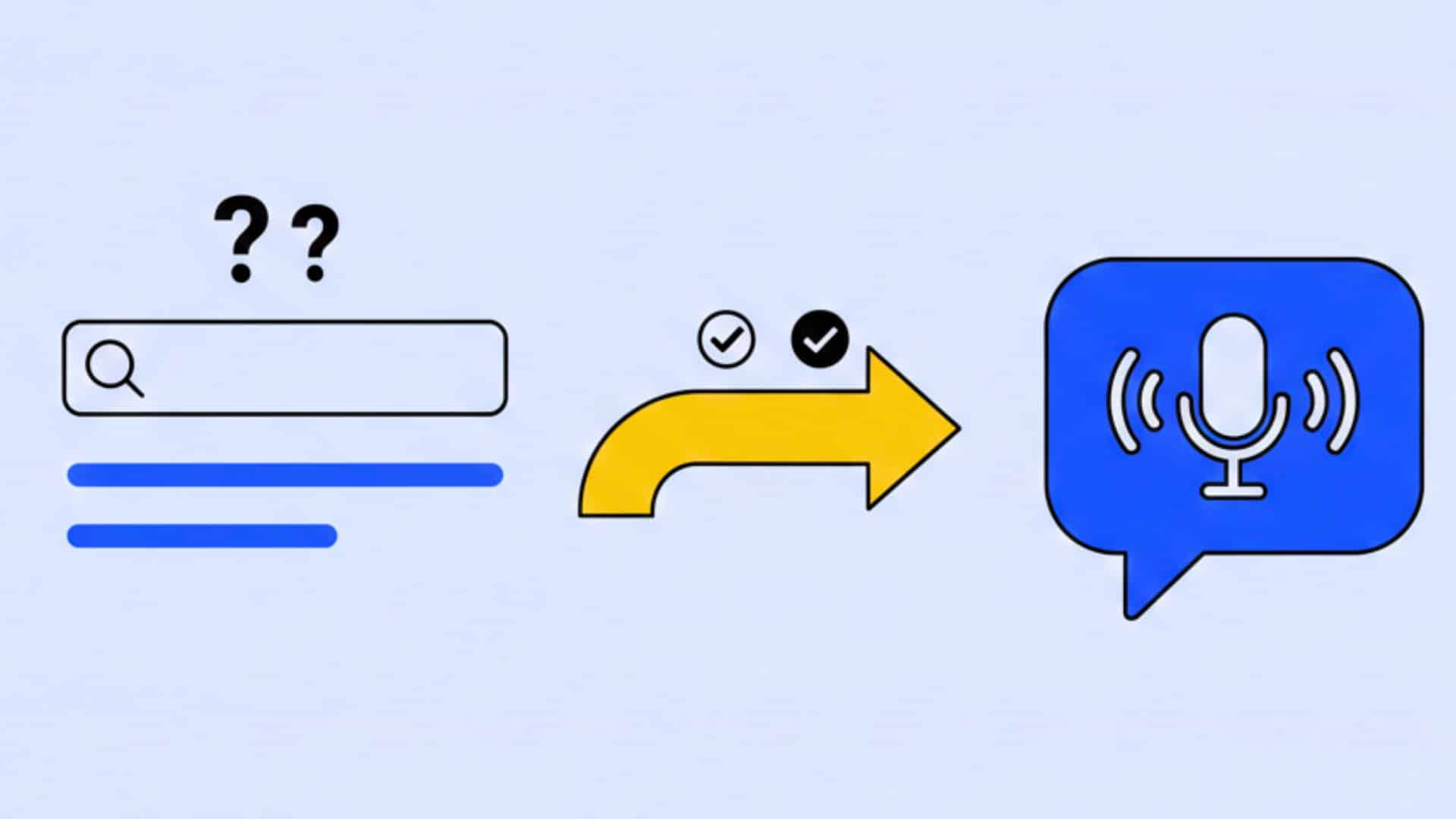
B2B buyers in Australia are increasingly using Large Language Models (LLMs) and AI-enabled search platforms to conduct initial vendor shortlisting. Instead of clicking through “blue links,” they ask AI to compare software providers based on specific criteria like local Sydney-based support or integration with a niche tech stack. This “Answer Engine Optimisation” (AEO) means your brand must be a citable source that AI models trust. If your content isn’t structured to be read by machines, you are effectively excluded from the buyer’s initial shortlist.
Gartner predicts that traditional search engine volume will drop by 25% by 2026 as B2B buyers shift their discovery habits toward AI chatbots and virtual agents for immediate, synthesised answers.
Predictive Intent and the End of Linear Funnels
The traditional awareness-consideration-decision funnel has collapsed. Buyers now move between exploration and validation at their own pace. AI acts as the “connective tissue” in this journey by interpreting real-time signals such as repeated visits to a pricing page or a surge in hiring within a specific department to predict when a lead is genuinely “revenue-ready.” Top-performing teams using these predictive models report significantly higher conversion from Marketing Qualified Lead (MQL) to Sales Qualified Lead (SQL).
The AI-Driven LinkedIn Funnel
The traditional funnel hasn’t just been upgraded, it’s been rebuilt for speed. To win, your LinkedIn funnel strategy must move beyond linear steps and toward a model that reacts the moment a buyer’s intent shifts. Here is the framework for capturing demand before your competitors even know it exists:
- Authority Seeding: You begin by planting “AEO-ready” content across the web. This isn’t just for humans; it’s designed to ensure AI models cite your brand as the gold standard when prospects ask for recommendations.
- Signal Detection: Next, you monitor the “digital heartbeat” of your ICP tracking hiring surges, new funding, or tech-stack shifts to find your 5% buying window.
- Precision Activation: When the signal is green, you deploy high-impact B2B LinkedIn Ads. To keep this layer lean, top teams use LinkedIn Ads audits to strip away underperforming spend and double down on what actually converts.
- Predictive Lead Scoring: Rather than guessing at intent, you leverage deep CRM integration to map a prospect’s behaviour against your historical “Closed-Won” data. This ensures Sales only touches leads that are statistically ready to buy.
- Opportunity Acceleration: Finally, you replace generic nurtures with context-aware follow-ups, solving specific business friction in real-time to pull the deal across the finish line.
Using AI for LinkedIn Ads, Targeting, and Content
The true power of AI in 2026 lies in its ability to bridge the gap between “who” you want to reach and “why” they should care right now. High-performing Marketing Managers act as architects of their tech stack, ensuring that every Ad delivered is contextually relevant.
Targeting: Scaling B2B LinkedIn Ads with Intent Signals
Manual targeting based on “Job Title + Industry” is a legacy tactic. In 2026, AI-driven targeting focuses on predictive signals that identify not just who the lead is, but where they are in their internal decision-making process.
Intent Intelligence: Syncing platforms with LinkedIn to target accounts currently searching for your specific category or visiting your high-value pages. Firmographic Triggers: AI can trigger Ads based on real-time events, such as a target account receiving new funding, opening a new office, or a surge in specific job postings.
From Static to Predictive LinkedIn Targeting
| Old Model | AI-Driven Model |
|---|---|
| Job Title + Industry | Intent + Behavior + Signals |
| Static Persona | Dynamic Buying Window |
| Broad Exclusions | Automated signal-based Exclusions |
| CPL Focus | Cost-per-opportunity Focus |
Tactical Implementation: Your 3-Step Targeting Checklist
To move from static lists to a dynamic, signal-based engine, follow this implementation sequence:
- Step 1: Define the Ideal Signal Profile – Sync your CRM “Closed-Won” data with your AI targeting tool. This allows the machine to identify the specific digital footprints (e.g., tech-stack changes or specific content engagement) that preceded your most successful deals.
- Step 2: Layer 3rd-Party Intent Data – Integrate external signals to identify accounts currently researching your category. This ensures you are reaching the five per cent of your market that is actually in a “buying window,” rather than shouting at the ninety-five per cent who aren’t ready to engage.
- Step 3: Set Automated Exclusions – Programme your AI to automatically exclude accounts showing negative signals such as declining headcount, recent leadership churn, or zero engagement over a ninety-day period. This protects your budget by ensuring spend is never diverted to stagnant or “dead-end” accounts.
Content & Creative: Personalisation at Scale
Generic Ads are a tax on your budget. LinkedIn’s 2026 upgrades now support sophisticated creative automation:
- Dynamic Creative Optimisation (DCO): Instead of manually A/B testing two images, DCO uses AI to automatically mix and match headlines, visuals, and calls-to-action in real-time. A CFO might see a headline focused on ROI, while a Technical Lead at the same company sees a message about integration and security.
- Synthetic Messaging Insights: Use AI to scan Australian industry forums and LinkedIn comments to identify the exact “language of the customer.” By mirroring the specific terminology and pain points your prospects use daily, your copy cuts through the “AI-generated noise” that plagues generic campaigns.
This level of precision doesn’t just increase Click-Through Rates (CTR); it drastically reduces your Cost Per Acquisition (CPA) by ensuring you only spend your budget on prospects who are statistically likely to convert.
AI vs Manual Lead Scoring: Accuracy and Impact
The friction between Sales and Marketing is almost always a result of poor lead scoring. Traditional manual scoring is built on rigid, point-based assumptions that fail to capture true intent. Manual models typically assign points for isolated actions, such as a whitepaper download.
This results in false positives where a student researching a thesis is treated with the same urgency as a CFO. Sales teams end up wasting forty per cent of their time chasing leads that have no intention of buying.
AI lead scoring uses machine learning to analyse hundreds of data signals simultaneously. This includes historical winning patterns, identifying the specific sequence of actions that led to your last 10 deals, and distinguishing between browsing and validation based on dwell time and page navigation patterns.
HubSpot’s 2026 research highlights that while 86% of marketers now use AI, the top performers are those using it for hyper-personalisation, which has led to a 93% increase in lead-to-purchase conversion rates.
| Feature | Manual Scoring | AI-Predictive Scoring |
|---|---|---|
| Logic | Static, human-defined rules | Dynamic, data-driven patterns |
| Accuracy | Prone to subjective bias | Objective and statistically validated |
| Speed | Updated periodically | Updated in real-time as signals emerge |
Will AI Replace Traditional Demand Gen?
A common anxiety among Australian marketing leaders is whether the rise of autonomous systems renders traditional demand generation obsolete. The reality is that AI is not replacing demand generation; it is fundamentally re-architecting it. While the core goal of creating a desire for your product remains the same, the manual execution of legacy “gate-and-nurture” playbooks is becoming a relic of the past.
In 2026, building demand means earning citations in AI search results and dark social communities rather than just collecting email addresses through a PDF gate. Traditional methods like webinars and whitepapers still have immense value, but their function has shifted.
They are no longer just lead magnets; they are high-quality data sources that allow AI agents to validate your brand’s authority. If your demand gen strategy still relies on “tricking” a user into giving you their email for a basic guide, you are optimising for a buying process that no longer exists.
What Skills Does a B2B Marketer Need Now?
As the “how” of marketing shifts to machines, the “what” and “why” become more critical for the human marketer. The most successful B2B professionals in 2026 have transitioned from being content producers to being workflow architects. To stay competitive, there are four non-negotiable skills you must master:
1. Data Literacy and Activation
Data is the fuel for every AI-driven LinkedIn campaign. You don’t need to be a data scientist, but you must understand how to unify CRM data, third-party intent signals, and social engagement metrics. The skill lies in spotting a meaningful trend versus statistical noise and knowing how to feed those insights back into your targeting engine.
2. Prompt Engineering and Model Literacy
The ability to direct AI tools to produce high-stakes, on-brand strategic outputs is a baseline requirement. This involves more than just “chatting” with a bot; it requires the ability to translate complex business goals into precise instructions that maintain your unique brand voice.
3. Commercial and Financial Acumen
Marketing can no longer operate in a silo. To earn a seat at the executive table, you must speak the language of revenue, margin, and retention. Marketers who can link a LinkedIn creative strategy directly to commercial outcomes using AI to forecast the pipeline impact of a campaign will be the ones leading their organisations.
4. Strategic Discernment
In an era of generic AI output, the human ability to provide a unique point of view is your greatest differentiator. AI can scale what works, but it cannot invent a bold new market position or build deep, emotional trust with a human stakeholder. Your value lies in the “Human-in-the-Loop” oversight that ensures your automated systems don’t produce generic, low-authority content.
The Path Forward: No Fluff, Just Clarity
You don’t need another campaign. You need clarity.
The most valuable next step for most B2B teams is understanding whether their demand system is helping or quietly leaking value. That means looking at how LinkedIn signals flow into the CRM, whether lead scoring reflects real buying behaviour, and what actually happens after the click.
This isn’t about committing to “AI” or changing platforms overnight. It’s about seeing the system clearly enough to make better decisions.
That’s where SDM comes in. We don’t just hand you a list of tactics; we fine-tune the logic behind them. Our goal is to ensure your demand engine doesn’t just generate noise, it creates a clear, measurable path to conversion.
Book a Demand Strategy Call. Pressure-test your LinkedIn demand engine before you spend another dollar.
Article by
Simon Gould
CEO / Founder / Dad
Founder and leader, Simon established SDM back in 2012. Since then, he has helped 150 clients (and counting) to achieve their digital goals.[…]